Understanding Aluminium Fabrication Basics
Aluminium fabrication is a critical component in the construction and manufacturing sectors, especially in the UAE's rapidly growing landscape. This specialized process involves transforming raw aluminium materials into finished products or components that meet specific needs and specifications. Given the region's unique environmental challenges, particularly the corrosive effects of the coastal climate, understanding the intricacies of aluminium fabrication goes beyond basic definitions and delves into essential practices and applications. When exploring options, Aluminium fabrication offers comprehensive insights into the processes and advantages of in-house production, ensuring quality and durability.
What is Aluminium Fabrication?
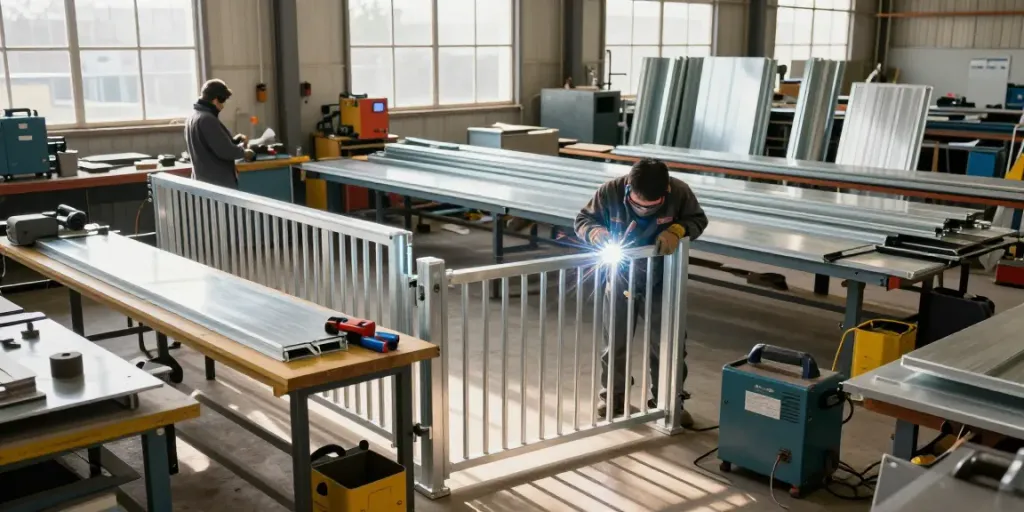
Aluminium fabrication refers to the process of cutting, shaping, assembling, and finishing aluminium materials to create functional parts or structures. This process can include various techniques such as welding, machining, bending, and finishing. The versatility of aluminium makes it a preferred material in many applications, from structural components in buildings to custom furnishings.
Key Processes Involved in Aluminium Fabrication
There are several key processes involved in aluminium fabrication that contribute to the final product:
- Cutting: This is the initial stage where aluminium sheets or extrusions are cut to size using techniques such as sawing, laser cutting, or water jet cutting.
- Machining: In this phase, components undergo further shaping through processes like drilling, milling, and grinding to achieve precise dimensions and features.
- Welding: Aluminium can be joined using different welding techniques, including MIG (Metal Inert Gas) and TIG (Tungsten Inert Gas) welding, which are essential for creating strong and durable joints.
- Finishing: After fabrication, aluminium surfaces are often treated with coatings, anodizing, or painting to enhance aesthetics and protect against corrosion.
Common Applications of Aluminium Fabrication in Construction
Aluminium fabrication finds extensive use in various construction applications:
- Structural Frames: Aluminium's high strength-to-weight ratio makes it ideal for structural frames in buildings, providing stability without excessive weight.
- Doors and Windows: Custom-designed aluminium doors and windows are popular for their durability and resistance to weather conditions.
- Railings and Balustrades: Aluminium railings offer both safety and modern aesthetics in residential and commercial properties.
- Architectural Features: Decorative aluminium elements enhance the visual appeal of buildings while maintaining function.
Advantages of Aluminium in Construction
The increasing preference for aluminium in construction stems from its numerous benefits that align with modern building demands.
Corrosion Resistance and Longevity
One of the standout features of aluminium is its natural resistance to corrosion. This property is particularly advantageous in coastal areas like Fujairah, where salt-laden air can significantly affect metal longevity. The formation of a protective oxide layer on aluminium helps prevent rust and deterioration, making it suitable for both structural and aesthetic applications.
Weight-to-Strength Ratio Benefits
Aluminium offers a remarkable strength-to-weight ratio, which allows builders to utilize less material while still achieving high structural integrity. This means lower transportation costs, easier installation, and reduced strain on supporting structures, benefiting both residential and commercial projects.
Eco-Friendliness of Aluminium Fabrication
Aluminium is fully recyclable without losing its properties, making it an environmentally friendly option in construction. The recycling process requires significantly less energy compared to initial production, contributing to sustainability goals in the construction industry.
In-House vs. Outsourced Aluminium Fabrication
Choosing between in-house and outsourced aluminium fabrication is a critical decision for many contractors and homeowners. Each approach has distinct advantages and challenges.
Why In-House Fabrication Matters
In-house fabrication allows for greater control over quality, timelines, and design flexibility. Companies like Al Taher Group, which have invested in their own workshops, can streamline processes from design to installation, reducing the risk of errors associated with third-party vendors. This integrated approach leads to better coordination and consistency in projects.
Cost Implications of Outsourcing Fabrication
While outsourcing may appear cost-effective initially, it often introduces hidden expenses, such as delays in communication, quality variations, and potential rework due to misinterpretations of specifications. Moreover, reliance on multiple suppliers can result in increased lead times that can impact project schedules.
Managing Quality Control in Fabrication Projects
Quality control is paramount in fabrication projects. In-house fabrication allows for stringent quality checks at every stage of the process, ensuring that the final product meets or exceeds the desired standards. This proactive approach minimizes the likelihood of defects and ensures that projects stay within budget and on schedule.
Trends in Aluminium Fabrication for 2026
As technology advances and market demands evolve, several trends are shaping the future of aluminium fabrication.
Emerging Technologies in Fabrication
The rise of automation and advanced manufacturing technologies, such as CNC (Computer Numerical Control) machining and robotic welding, is revolutionizing the aluminium fabrication industry. These technologies enhance precision, reduce labor costs, and increase production speed, allowing for more complex designs and applications.
Sustainability Trends Impacting the Industry
Sustainability is becoming a driving force in construction. The use of recycled aluminium and energy-efficient fabrication processes is gaining traction, as builders seek materials that align with eco-friendly building practices. Implementing sustainable practices not only meets regulatory requirements but also appeals to environmentally conscious consumers.
Future Market Demands and Innovations
As urbanization continues to rise, the demand for lightweight, durable materials like aluminium will also increase. Innovations in alloy compositions and manufacturing techniques are expected to improve performance and expand the range of applications for aluminium in construction.
Frequently Asked Questions about Aluminium Fabrication
Addressing common queries can help potential clients understand aluminium fabrication better.
What is the typical cost of aluminium fabrication?
The cost of aluminium fabrication can vary widely based on several factors, including the complexity of the project, the type of finishing required, and the quantities involved. Generally, contractors can expect to receive more precise estimates after a site visit and assessment of the specific needs.
How long does the fabrication process take?
Fabrication times depend on the complexity and size of the project. As a general guideline, custom gates may take 2–3 weeks from design approval, while railings usually take 1–2 weeks, and fitted kitchens can range from 3–5 weeks. These timelines can be better defined during the initial consultation.
What industries benefit most from aluminium fabrication?
Industries that often leverage aluminium fabrication include construction, automotive, aerospace, and consumer goods. Each sector utilizes its properties differently, highlighting aluminium's versatility.
How does saltwater affect aluminium structures?
Saltwater poses a significant threat to metal structures due to its corrosive effect. However, aluminium's resistance to corrosion means that it can withstand marine environments when appropriately treated and coated. Utilizing high-quality finishes is crucial to enhance durability.
What should I consider when choosing a fabricator?
When selecting an aluminium fabricator, consider their experience, the quality of their materials and finishes, their in-house capabilities, and the ability to provide a comprehensive quote that includes all costs. It's also beneficial to check customer reviews and their portfolio of completed projects.