
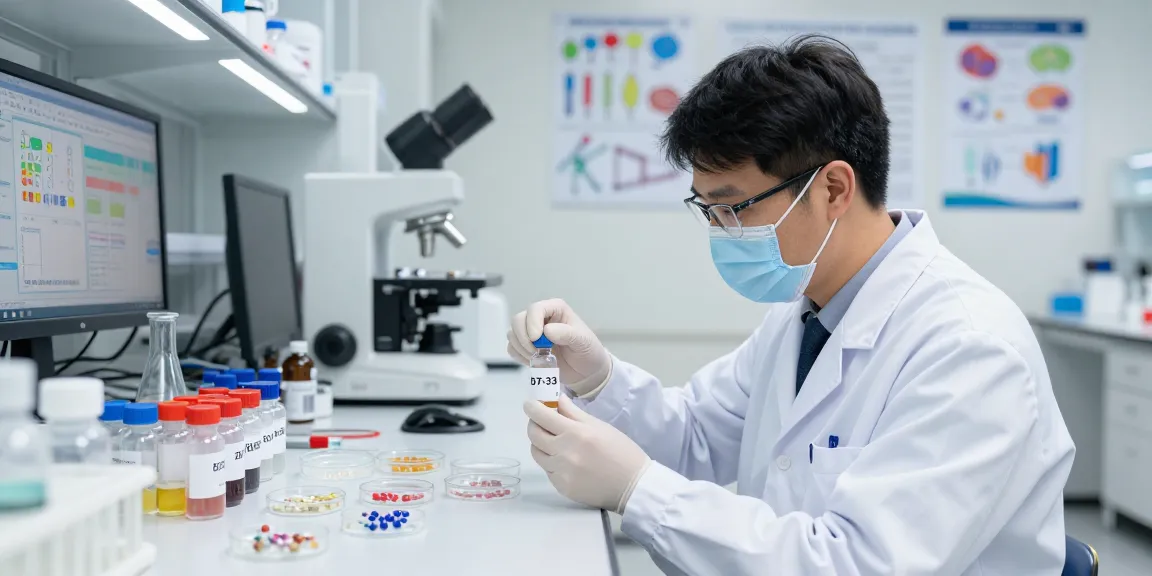
Understanding the Basics of Research Peptides
In the ever-evolving field of biochemistry, research peptides have emerged as pivotal tools for investigating biological processes and developing new therapeutic approaches. These short chains of amino acids play critical roles in various physiological functions, making them valuable in laboratory research. As scientists explore innovative applications, the demand for specific peptides like b7-33 continues to grow. When exploring options, b7-33 for sale can offer researchers a pathway to high-quality compounds for their studies.
What are Research Peptides and Their Uses?
Research peptides are essentially chains of amino acids that facilitate essential biological activities within the body. They are used extensively in laboratory settings for a variety of applications, including but not limited to:
- Studying cellular mechanisms and signaling pathways
- Investigating potential treatments for various diseases
- Testing the efficacy of new drug candidates
- Exploring regenerative medicine options
These peptides can mimic or modify the behavior of naturally occurring proteins, yielding insights into their functionalities and therapeutic potentials. For instance, peptides like b7-33 have been researched for their roles in promoting cellular regeneration and neuroprotection.
Key Categories of Research Peptides
While there are numerous types of research peptides, they can generally be categorized into several key groups:
- Healing & Regeneration Peptides: Such as BPC-157 and TB-500, known for their tissue-repairing properties.
- Growth Hormone Peptides: Including CJC-1295 and Ipamorelin, which promote growth hormone secretion.
- Cognitive & Nootropic Peptides: Like Semax and Selank, aimed at enhancing cognitive functions.
- Anti-Aging Peptides: Such as Epitalon and GHK-Cu, used in studies focused on aging and skin health.
- Immune Modulation Peptides: Including Thymosin Alpha-1, which supports immune function.
Each category serves specific research purposes, allowing scientists to tailor studies to their needs effectively.
Purity Standards: Why They Matter
Purity is a critical factor in peptide research. High-purity peptides (>99%) ensure that experimental results are reliable and replicable. Laboratories often use techniques like high-performance liquid chromatography (HPLC) to verify the purity of peptides. This level of scrutiny helps to eliminate contaminants that could skew results, thereby supporting the integrity of scientific findings. Certificates of Analysis (COA) accompany each batch of peptides, delineating their purity, identity, and batch number, thus assuring researchers of their quality.
The Science Behind b7-33
b7-33 is a peptide that has garnered attention for its potential neuroprotective effects and ability to enhance metabolic processes. Understanding its mechanism of action is crucial for researchers aiming to leverage its capabilities in various studies.
Mechanism of Action and Applications
The mechanism through which b7-33 functions is primarily linked to neuroprotection and cellular resilience. Studies suggest that it may enhance synaptic plasticity, which is fundamental to learning and memory. Additionally, b7-33 has implications in the realm of metabolic regulation, potentially influencing glucose metabolism and energy expenditure.
Applications of b7-33 in research are vast, particularly in neurodegenerative disorders and metabolic diseases. Its potential to influence neuronal health places it at the forefront of studies aimed at developing novel therapeutic strategies.
Comparative Analysis with Other Peptides
When comparing b7-33 to other peptides, it is essential to consider its unique properties. For instance, peptides like Semax and Selank are primarily used for cognitive enhancement, but b7-33 also targets metabolic pathways. This dual functionality makes b7-33 an intriguing candidate in peptide research.
Researchers have noted that while Semax may promote cognitive functions effectively, b7-33’s diverse action pathway may provide broader therapeutic applications, particularly in conditions where energy metabolism is compromised.
Current Research and Findings for 2026
As of 2026, ongoing studies into b7-33 are revealing promising findings regarding its role in neuronal recovery and metabolic health. Preliminary data suggests that b7-33 can not only help mitigate damage from neurotoxic environments but may also play a role in enhancing recovery post-injury. Furthermore, its implications in metabolic regulation are being explored, with researchers examining how it may influence factors like insulin sensitivity and fat storage.
As research expands, more detailed insights into its pharmacodynamics and potential applications will likely emerge, positioning b7-33 as a valuable tool in various therapeutic explorations.
Legal Landscape for Research Peptides
Understanding the legal framework surrounding research peptides is crucial for researchers and laboratories alike. Regulations can vary significantly between countries, impacting how peptides like b7-33 are distributed and used.
Understanding US and Canadian Regulations
In both the United States and Canada, research peptides are regulated under strict guidelines. They can only be sold for laboratory and educational purposes and are not approved for human or veterinary use. Researchers must ensure compliance with these regulations to avoid legal ramifications and ensure ethical usage.
Legal Status Update for 2026
For 2026, the legal landscape regarding research peptides has seen updates that continue to promote safe and responsible research practices. Regulatory authorities in both the US and Canada have reiterated their stance that these products remain legal for research purposes, provided they are marketed properly as “research only.” It is essential for scientists to stay informed about any changes in these policies to ensure they are operating within the law.
Common Misconceptions about Peptide Legality
Many misconceptions surround the legal status of research peptides, often leading to confusion among potential users. A common misconception is that because peptides are derived from natural proteins, they are safe for human consumption. This is not the case; research peptides like b7-33 are designed strictly for laboratory use and are not intended for any form of human or veterinary application.
It is vital for researchers to adhere to the legal requirements set forth by regulatory bodies, ensuring that all handling and applications follow established guidelines.
Best Practices for Using Research Peptides
To maximize the potential of research peptides like b7-33, researchers need to follow best practices regarding dosage, handling, and safety.
Dosage Calculations and Reconstitution Tips
Accurate dosage calculations are crucial for effective research outcomes. For instances where b7-33 is provided in a powdered form, proper reconstitution is necessary. A 5mg vial of b7-33 reconstituted with 2mL of bacteriostatic water would yield a concentration of 2.5 mg/mL. Understanding how to calculate concentrations for blended peptides can be more complex, but the foundational approach remains similar.
- Always use sterile techniques to prevent contamination.
- Store peptides according to specified guidelines to maintain stability.
Handling and Safety Precautions
Given that research peptides are strictly for laboratory use, appropriate handling and safety measures must be taken. Researchers should:
- Wear gloves and protective clothing when handling peptides.
- Utilize proper waste disposal methods for materials that have come into contact with peptides.
- Ensure that all personnel are trained in the safe handling of chemical substances.
Maximizing Research Outcomes with b7-33
To fully leverage the capabilities of b7-33, researchers should ensure rigorous experimental designs that account for variables affecting outcomes. Pre-experimental literature reviews and pilot studies can be effective strategies to determine optimal conditions for peptide applications, furthering the reliability and applicability of research findings.
Future Trends in Peptide Research
The landscape of peptide research is rapidly evolving, with numerous trends emerging that promise to shape the future of biochemistry and pharmacology.
Emerging Technologies and Techniques
Advances in peptide synthesis and analytical technologies are paving the way for new discoveries. Techniques such as solid-phase peptide synthesis (SPPS) are becoming increasingly sophisticated, allowing for more complex and varied peptide structures to be studied. Additionally, improvements in mass spectrometry and HPLC are enhancing researchers’ ability to analyze peptide characteristics with unprecedented accuracy.
Predicted Market Trends for 2026
As research peptides gain popularity, the market is expected to expand significantly by 2026. Increased funding for biomedical research and a growing interest in personalized medicine will likely drive demand. Researchers are expected to seek out high-purity peptides for targeted studies, with an emphasis on quality assurance and compliance with legal regulations.
Expert Insights on the Future of Peptide Use
Experts predict that as our understanding of peptides deepens, we will see an increase in collaborative research efforts between academic institutions and biotechnology companies. This collaboration could lead to breakthroughs in treatments for various conditions, positioning peptides like b7-33 as integral components of future therapeutic strategies.
What are the Top Questions About b7-33?
As interest in b7-33 continues to grow, several common questions arise among researchers:
- What are the most common applications for b7-33?
- Is b7-33 legal for research purposes?
- How can researchers ensure quality when purchasing peptides?
Where Can You Buy b7-33 for Sale?
Researchers looking to procure b7-33 should consider reputable suppliers that offer verified quality. It is essential to choose suppliers who provide Certificates of Analysis and detailed product information to ensure the integrity of the compounds.
How to Ensure Quality When Purchasing Peptides?
To ensure the quality of peptides, researchers should look for vendors who use independent testing and offer transparent documentation regarding purity and identity. This assurance is vital for the validity of experimental results and conclusions drawn from peptide research.
What Are the Most Common Applications for b7-33?
b7-33 is primarily utilized in research focused on neuroprotection, metabolic health, and cellular regeneration. Its unique properties make it suitable for studies aimed at understanding complex biological mechanisms and developing potential therapeutic solutions for related disorders.
Is b7-33 Legal for Research Purposes?
Yes, b7-33 is legal for research purposes in the US and Canada as long as it is used according to the specified guidelines. This includes using it strictly for laboratory or educational purposes, not for human or veterinary applications.