Understanding the Slot in Culinary Arts
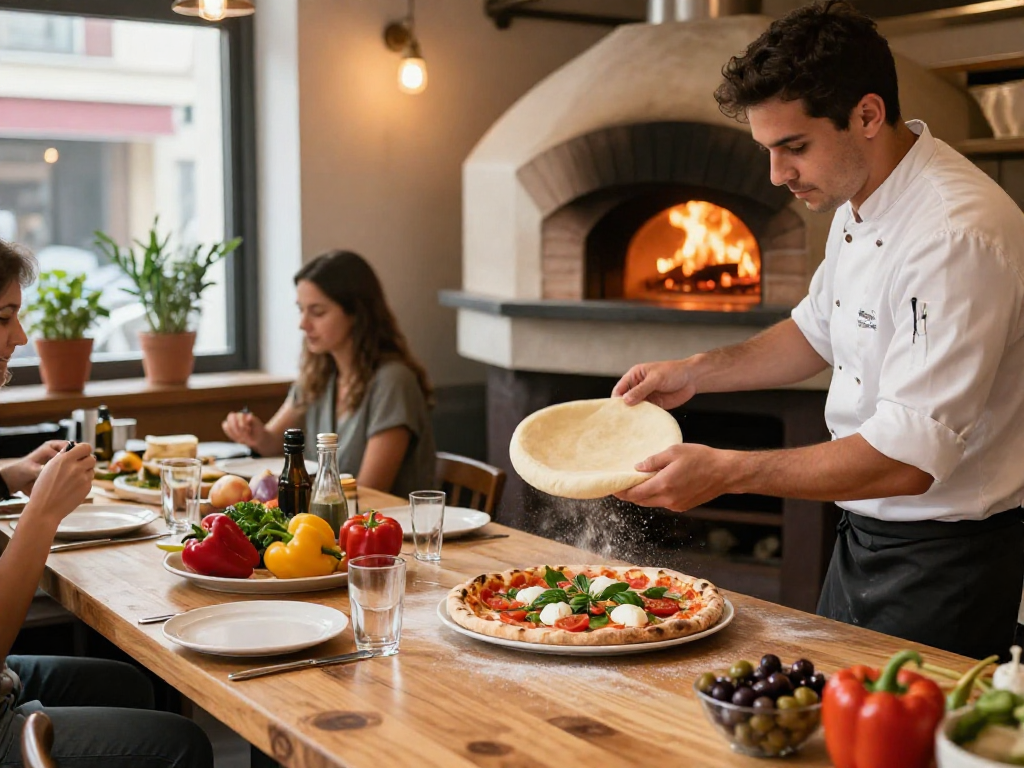
In the fast-paced environment of pizzerias and other culinary establishments, understanding the concept of a "slot" is crucial for operational efficiency and customer satisfaction. A slot refers to a specific time or space allocated for preparing, cooking, or serving food items. Effective management of these slots can significantly impact a pizzeria's workflow, ensuring that pizzas are prepared and delivered in a timely manner. When exploring options, slot management strategies provide comprehensive insights into optimizing kitchen operations.
What is a Slot and How Does It Relate to Pizzeria Operations?
A slot is essentially a segment of time designated for completing certain kitchen tasks. In a pizzeria, this can translate to how long a chef has to prepare ingredients before cooking, or how quickly a pizza needs to be slid into the oven after an order is placed. Each slot must be carefully coordinated with staffing levels, inventory management, and customer traffic patterns to ensure that each pizza reaches the customer at its freshest.
The Importance of Slot Timing in Food Preparation
Timing is everything in the culinary world. Slot timing ensures that food is prepared efficiently and that all stations in the kitchen are harmonious. For instance, if dough preparation takes longer than a scheduled slot, it can lead to delays in order fulfillment. Consequently, this not only affects the kitchen's rhythm but can also irritate customers waiting for their pizzas. Precise slot management can thus help streamline workflow, reduce wait times, and enhance the overall dining experience.
Common Mistakes in Slot Management
- Underestimating Preparation Time: Many pizzerias fail to account for how long it takes to prepare each item, leading to rushed operations and mistakes.
- Inflexibility: Sticking rigidly to pre-set slots without considering real-time feedback can hinder responsiveness to customer demand.
- Neglecting Staff Training: Employees must be trained to adhere to slot timings to ensure consistency and quality.
Optimizing Your Slot for Maximum Efficiency
Best Practices in Managing Slot Times in the Kitchen
To optimize slots, pizzerias should implement best practices such as conducting regular training sessions for staff, using prep sheets to track tasks, and scheduling periodic reviews of kitchen performance. Ensuring that every employee understands the importance of slot management can create a culture of efficiency and accountability. Regularly revising slot timings based on workflow data also allows for continuous improvement.
Technology Solutions for Monitoring Slot Performance
Modern technology can play a pivotal role in managing kitchen slots effectively. Kitchen display systems (KDS) can provide real-time updates on order statuses and preparation times, enabling chefs to adjust their workflows instantaneously. Similarly, POS systems can analyze past sales data to help predict busy periods accurately, allowing pizzerias to adjust their slot allocations accordingly.
Real-World Case Studies of Successful Slot Management
Numerous pizzerias have successfully implemented optimized slot management strategies. For instance, a well-known chain analyzed its peak hours and adjusted staff schedules and slot timings accordingly, leading to a 20% increase in customer satisfaction scores. By focusing on slot optimization, the chain could efficiently manage both food quality and service speed, attracting a loyal customer base.
Challenges and Solutions in Slot Management
Identifying and Overcoming Common Slot Issues
Common challenges in slot management include unpredictability in customer orders and kitchen bottlenecks. Identifying these issues early allows managers to formulate strategies to address them. Solutions may include cross-training staff to handle multiple roles during peak hours or using inventory tracking systems to ensure that necessary ingredients are always on hand.
Adapting to Customer Demand and Slot Adjustments
Customer demand can fluctuate significantly based on time of day, season, or special events. Pizzerias must remain agile, adjusting their slot allocations in real-time. Utilizing data analytics can help predict these fluctuations, allowing chefs to prepare accordingly and maintain a smooth operation.
Expert Insights on Future Slot Trends
Experts indicate that the future of slot management will heavily rely on AI and machine learning. These technologies can analyze vast amounts of data to optimize slot timings dynamically, allowing for unprecedented levels of efficiency and customer satisfaction. Moreover, the integration of customer feedback into slot adjustments will become essential for continuous improvement.
Evaluating Slot Performance Metrics
Key Performance Indicators for Slot Efficiency
To gauge the effectiveness of slot management, pizzerias should consider key performance indicators (KPIs) such as order fulfillment time, food waste reduction, and customer feedback scores. Monitoring these metrics regularly can reveal areas that require adjustments.
Methods for Measuring Slot Impact on Customer Satisfaction
Surveys, feedback forms, and social media reviews can serve as valuable tools for assessing how slot timing affects customer satisfaction. Analyzing this data helps managers tailor their operations based on actual customer experiences, leading to better service and higher retention rates.
Feedback Loops and Continuous Improvement Strategies
By establishing feedback loops within the organization, pizzerias can continuously refine their slot management practices. Regular team meetings focused on performance insights ensure that every staff member is on board with improving overall service delivery.
Future of Slot Management in the Food Industry
Emerging Trends in Slot Technology and Automation
Automation in kitchen operations is on the rise, with robotic systems being integrated into culinary tasks. Such innovations can help streamline slot management further, providing real-time adjustments based on order volume and kitchen efficiency. Investing in automation technology can lead to long-term savings and enhanced customer experiences.
Predictions for Slot Management in 2026 and Beyond
By 2026, the landscape of slot management is expected to evolve dramatically. The focus will likely shift towards hyper-personalization, where kitchen operations are tailored not just to predicted demand but also to individual customer preferences. Pizzerias that embrace this trend will likely find themselves at the forefront of the industry.
How to Prepare Your Operations for Future Slot Changes
Preparation for changes in slot management begins with building a flexible operational framework. Training staff to adapt to new technologies and workflows will be critical. Additionally, embracing customer feedback as a driving force in operational adjustments will help pizzerias remain competitive in an ever-changing market.
What is the best way to optimize slot timing?
To optimize slot timing, pizzerias should implement data-driven strategies that analyze past performance coupled with current customer trends. Continuous monitoring and adjustment of slot practices will ensure a responsive and efficient kitchen environment.
How do I know when to adjust my kitchen slots?
Monitoring key performance indicators such as order wait times and customer feedback will signal when adjustments are necessary. Additionally, recognizing peak business hours and fluctuations in customer traffic will guide slot adjustments effectively.
What technology can assist with slot management?
Technological solutions like kitchen display systems, inventory management software, and advanced POS systems can all greatly enhance slot management. These tools help identify trends, manage workflow, and ultimately improve service efficiency.
How can slot adjustments improve customer satisfaction?
By fine-tuning slot management, pizzerias can reduce wait times, enhance food quality control, and increase the responsiveness of service, all of which culminate in a better customer experience.
What challenges should I expect with slot management?
Challenges in slot management may include unpredictable customer behavior, staffing shortages, and operational bottlenecks. Proactively addressing these issues through flexible planning and technology integration can mitigate potential problems.